

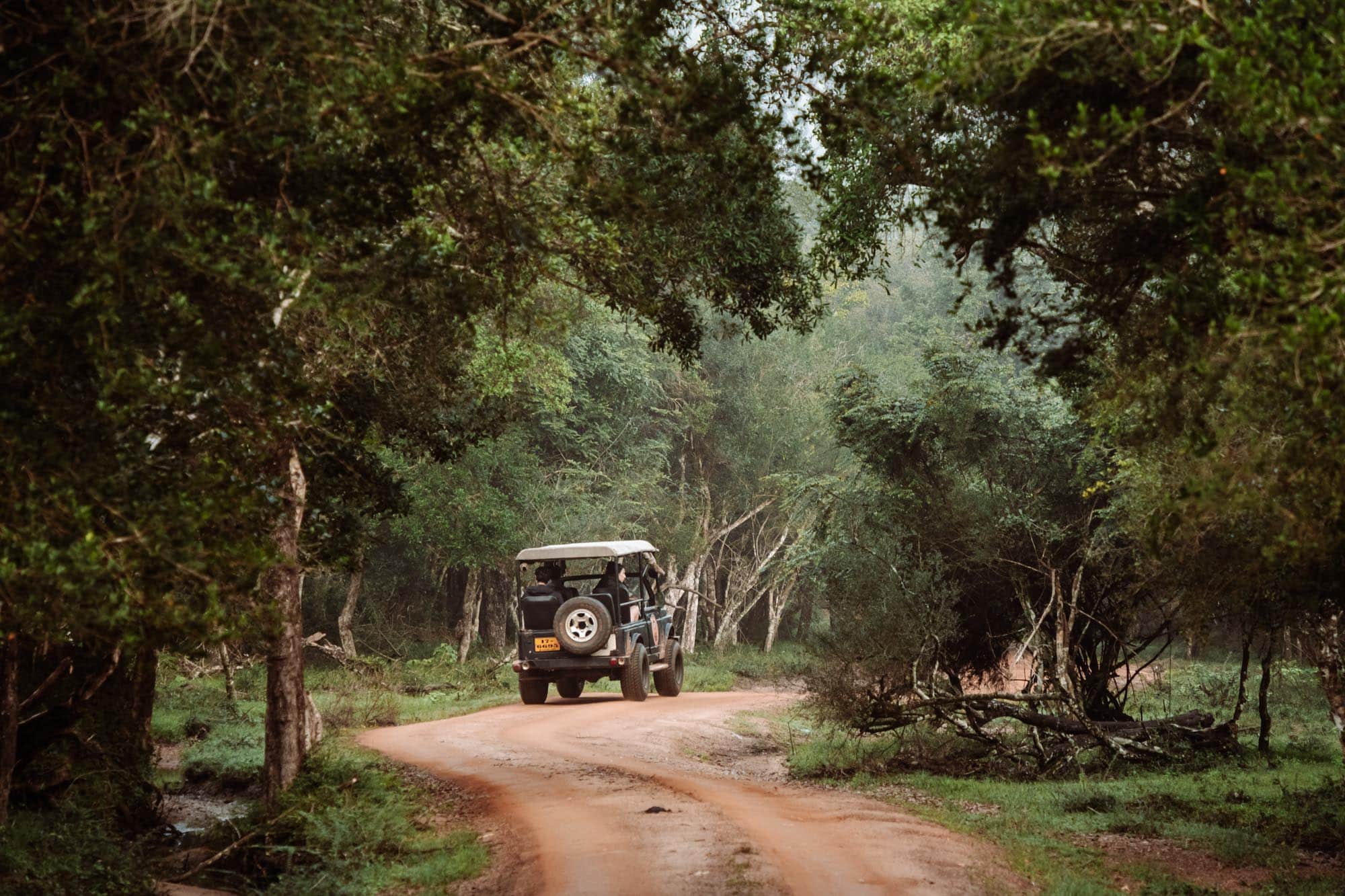
Wilpattu National Park
Wilpattu National Park: Sri Lanka’s Untamed Wildlife Haven
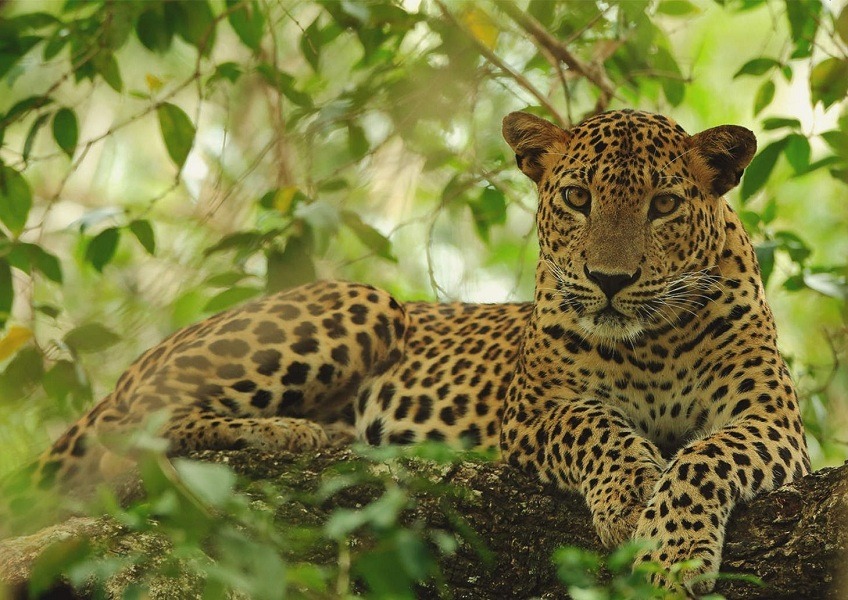
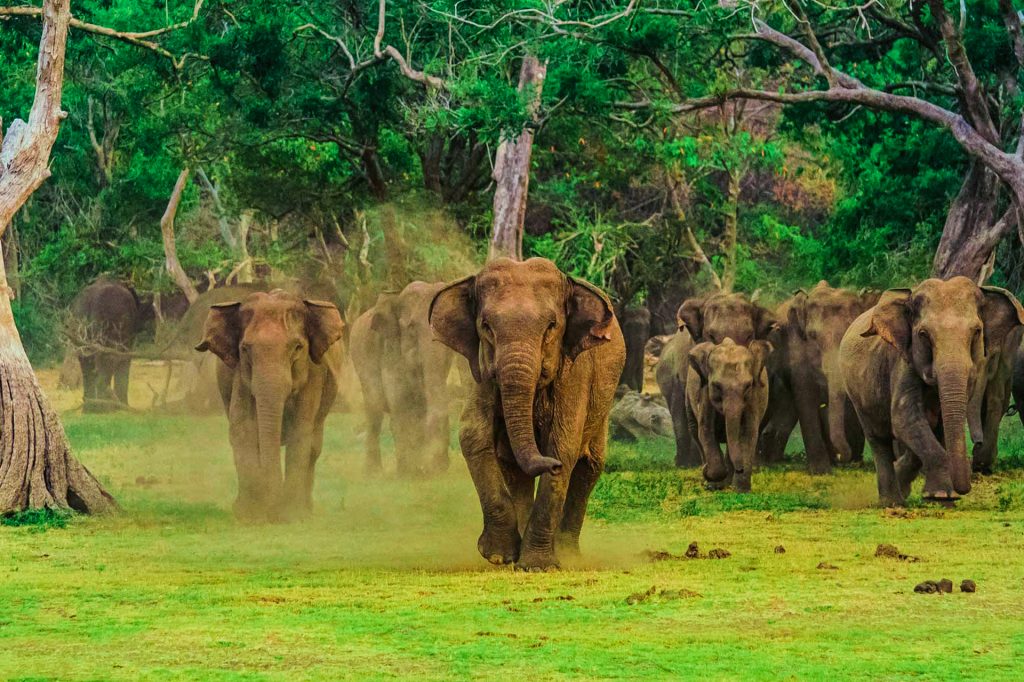
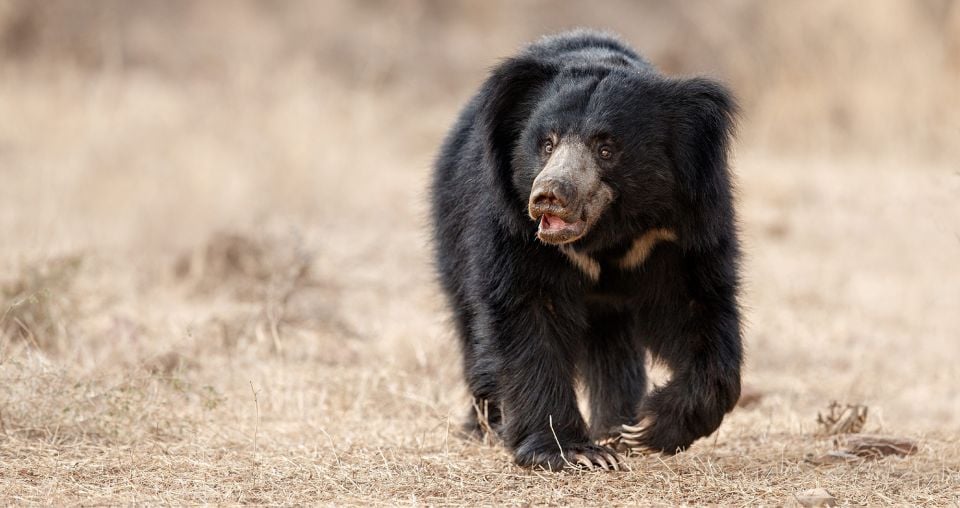
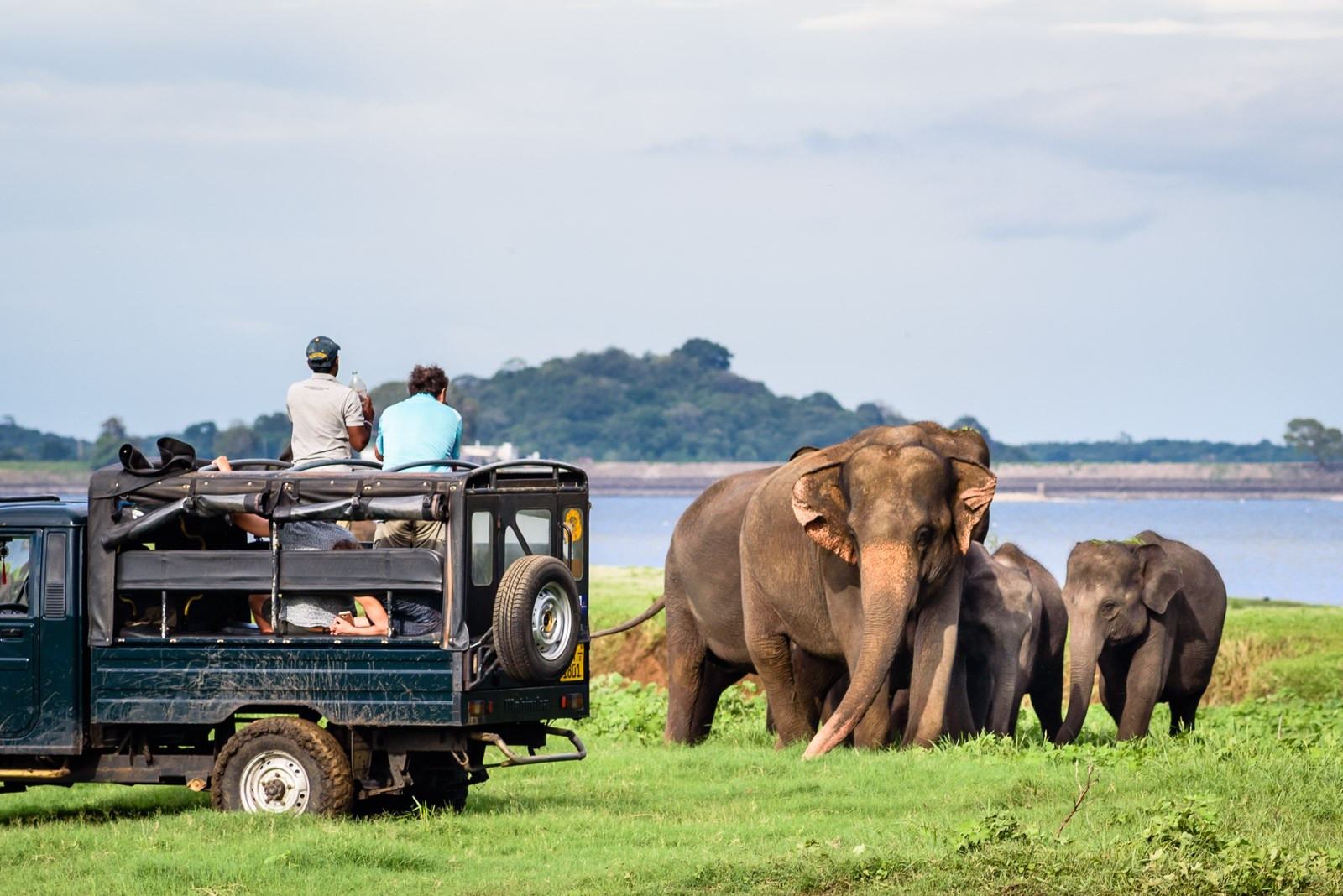
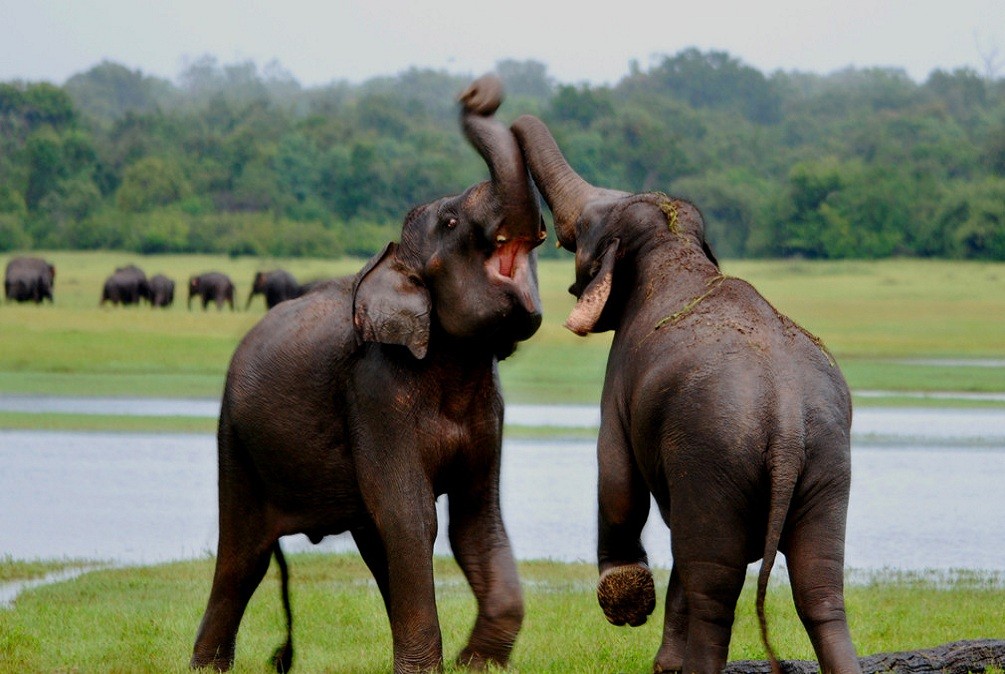
Wilpattu National Park, located in the northwest of Sri Lanka, is one of the island’s largest and most ancient national parks. Known for its vast wilderness, the park is famous for its unique “villus” (natural lakes) and diverse landscapes, from dense forests to open plains. A haven for wildlife enthusiasts, Wilpattu is home to a wide range of animals, including the elusive Sri Lankan leopard, elephants, sloth bears, and a variety of bird species. Visitors can enjoy thrilling safaris through the park’s rugged terrain, while being immersed in the sights and sounds of nature. With its pristine environment and rich biodiversity, Wilpattu National Park offers an unforgettable experience for those seeking adventure and a deeper connection with Sri Lanka’s natural beauty.
Where is Wilpattu
Wilpattu National Park is located in the northwestern part of Sri Lanka, about 180 km north of Colombo. Situated in the Puttalam District, it is accessible via the Anuradhapura–Mannar road, offering a serene escape into nature and wildlife.
Top Attractions in Wilpattu
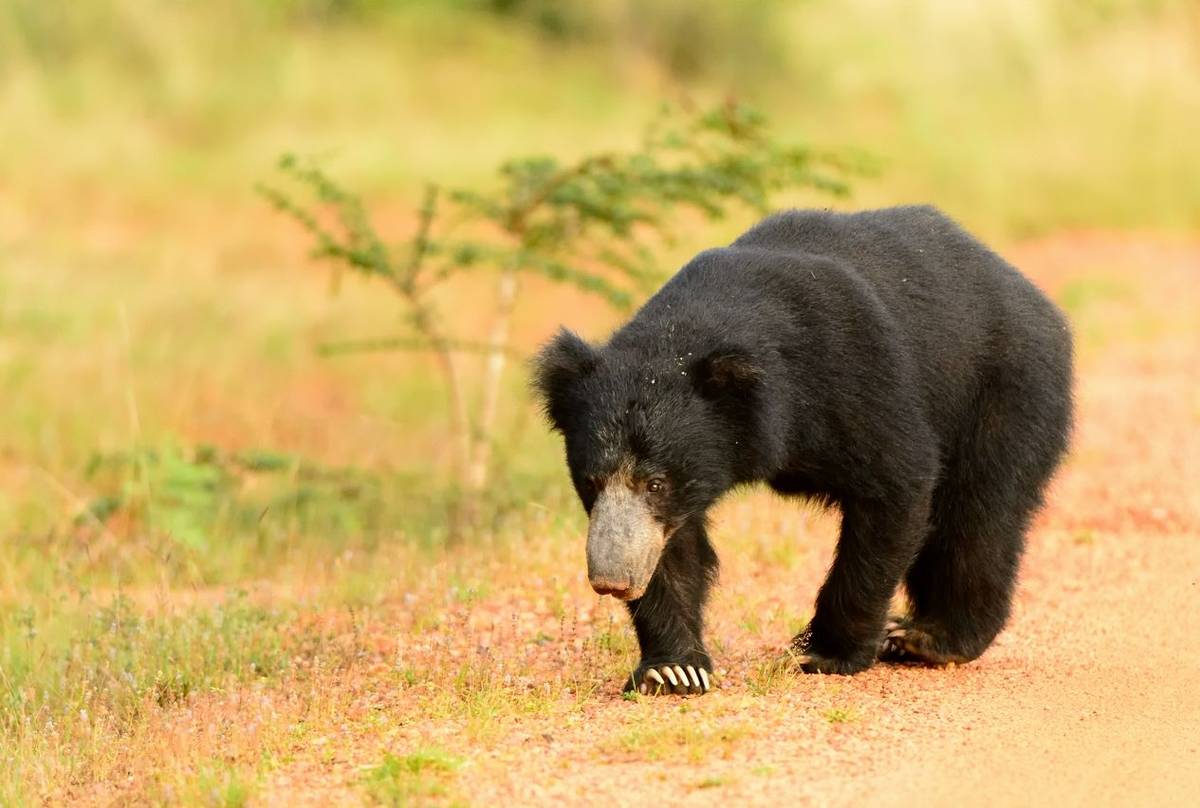
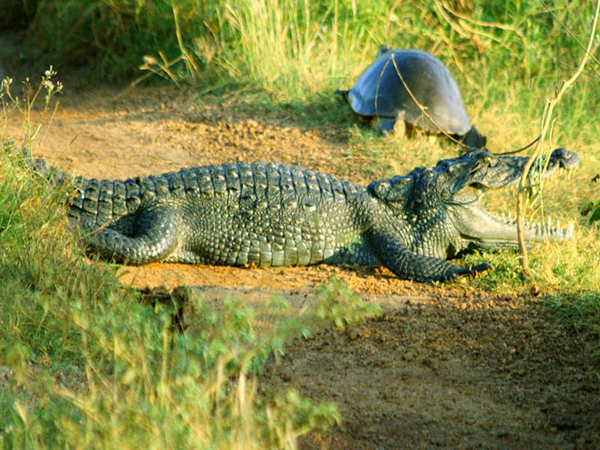
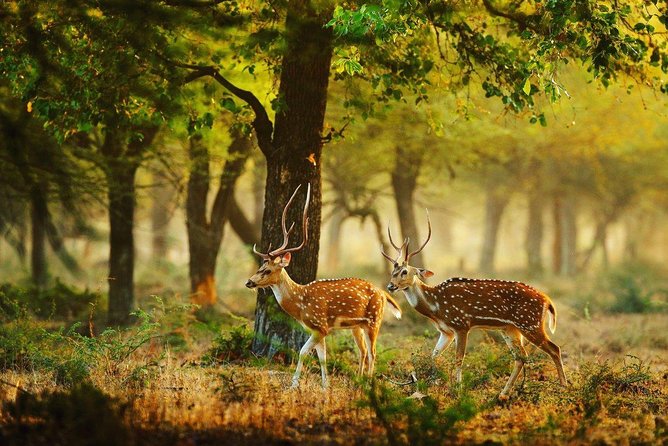
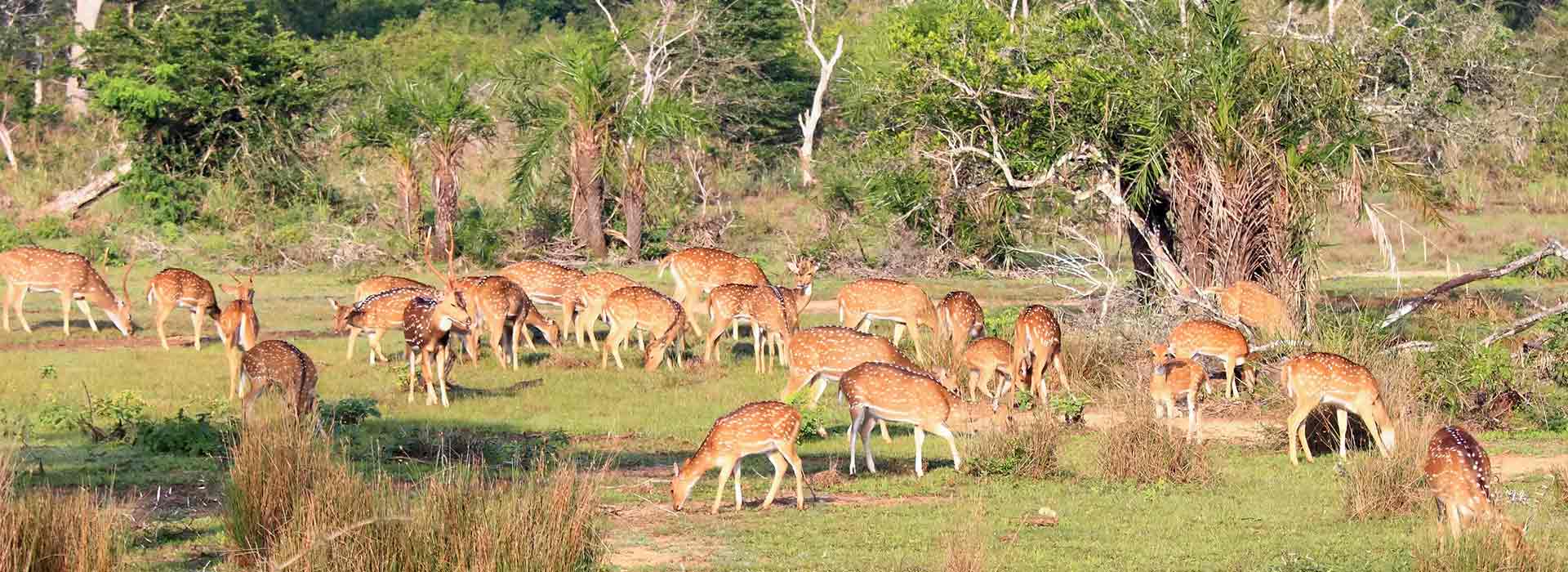
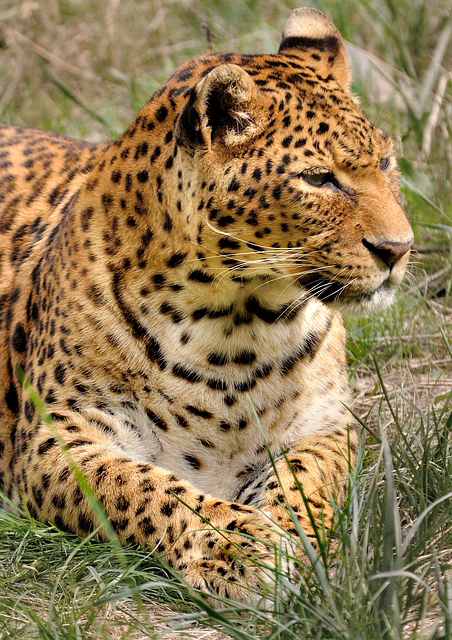
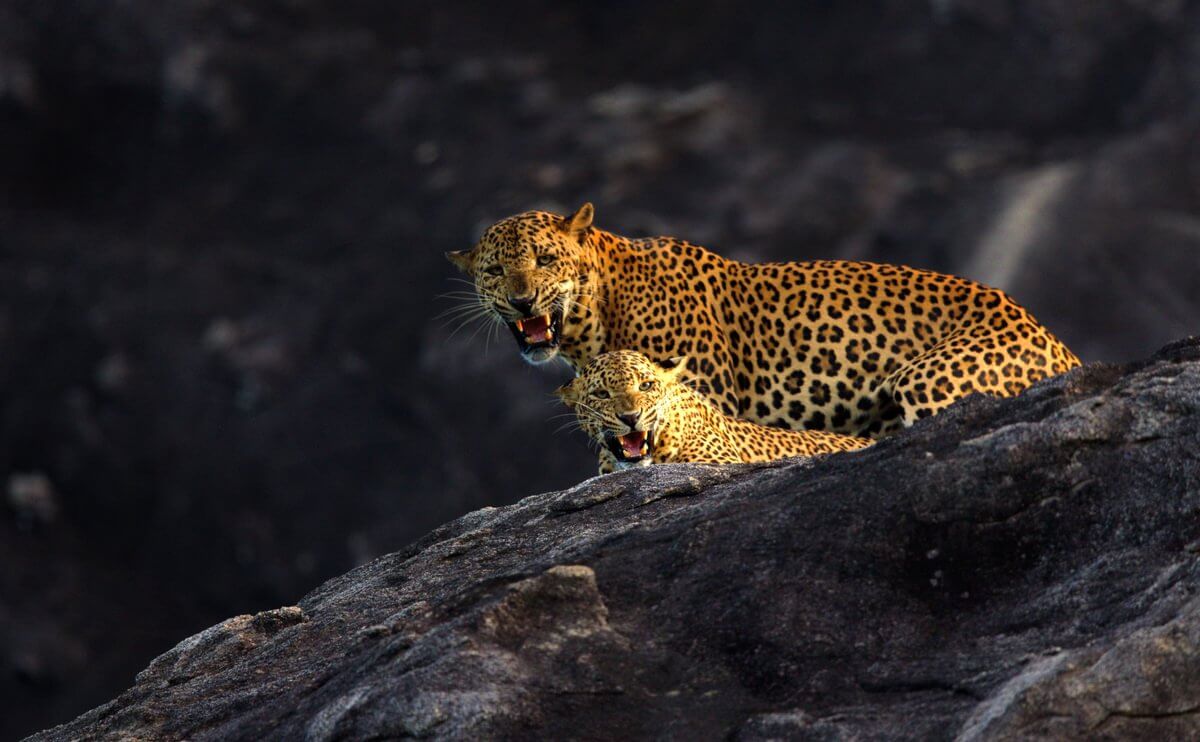
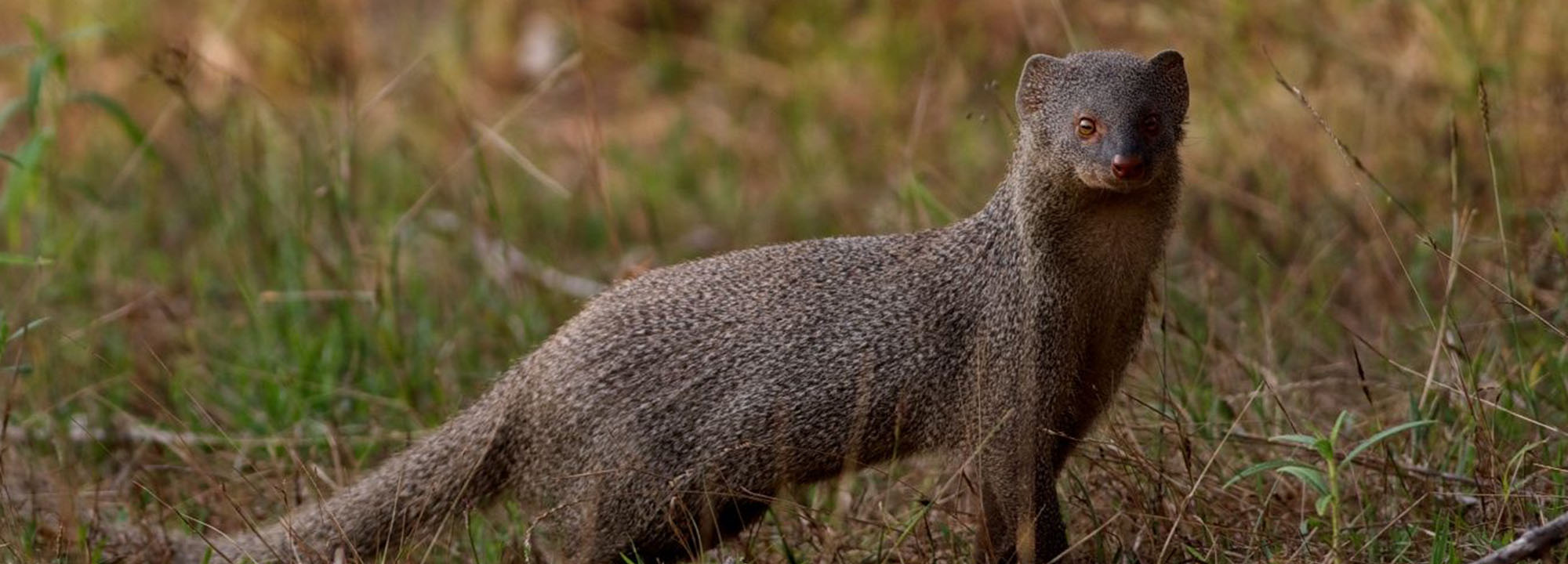
Wilpattu National Park is a wildlife lover’s paradise, known for its unique landscapes and diverse wildlife. The park’s most famous feature is its “villus”—natural, shallow lakes that attract a variety of animals, including leopards, elephants, and numerous bird species. Wilpattu is renowned for its leopard population, offering an exceptional opportunity for leopard sightings in their natural habitat. The park is also home to a wide range of wildlife, including sloth bears, deer, and crocodiles, making it an excellent destination for wildlife enthusiasts. In addition to its rich fauna, the park boasts stunning landscapes that include dry evergreen forests, scrublands, wetlands, and grasslands, providing a varied backdrop for nature walks and safaris. With over 200 species of birds, it is also a haven for birdwatching. Overall, Wilpattu National Park is a must-visit destination for anyone seeking to experience Sri Lanka’s natural beauty and wildlife in a pristine, less-explored environment.
Top Things to Do in Wilpattu
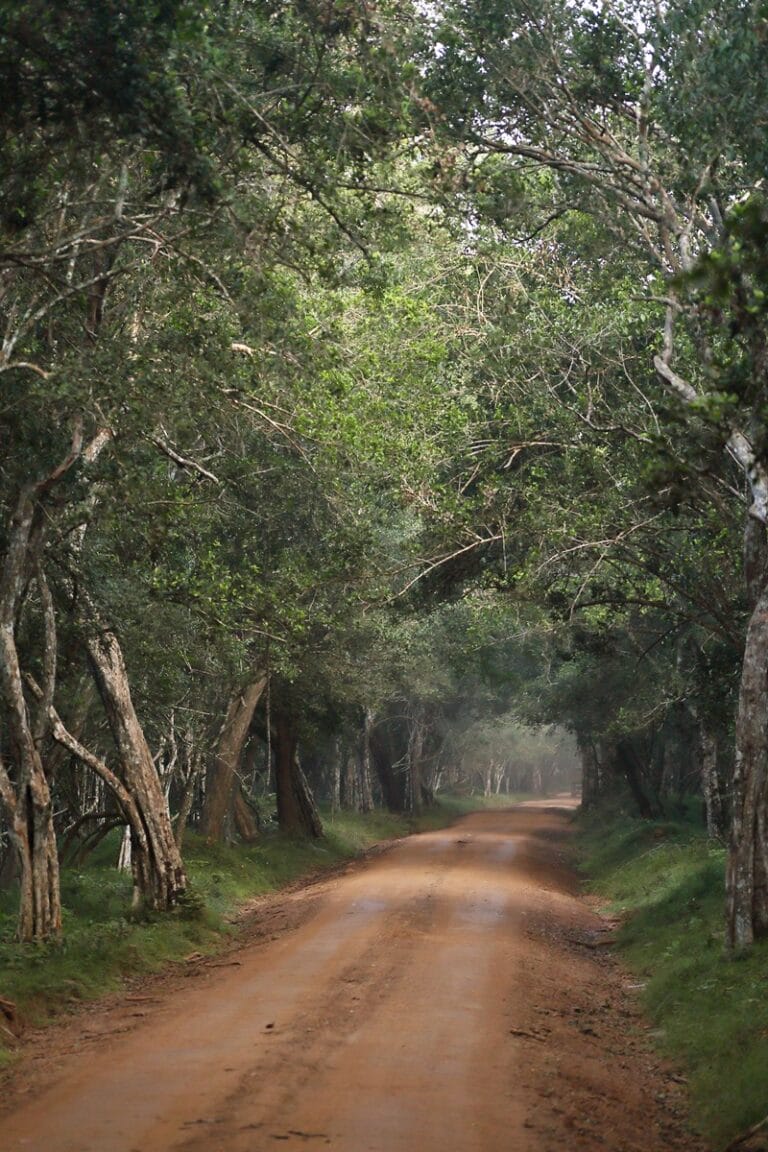
- 🛺 Go on a Safari: Embark on a thrilling safari through the park’s diverse landscapes to spot leopards, elephants, and other wildlife.
🐆 Leopard Spotting: Wilpattu is famous for its high density of leopards, making it a prime location for spotting these majestic creatures in the wild.
🌊 Explore the Villus: Visit the park’s unique natural lakes (villus) to observe wildlife, especially during the dry season when animals come to drink.
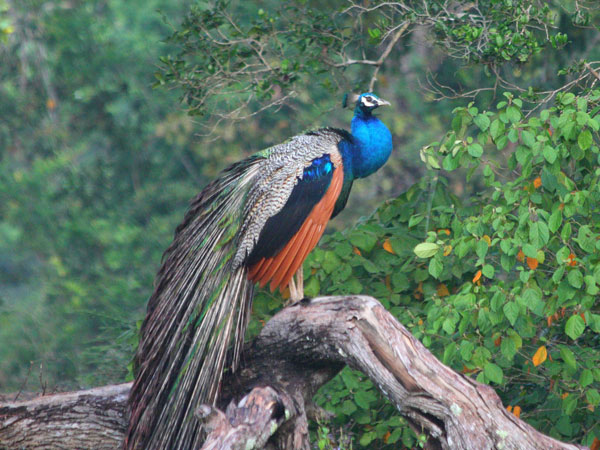
🦅 Birdwatching: With over 200 bird species, Wilpattu is a birdwatcher’s paradise. Don’t miss the chance to see both migratory and endemic species.
📸 Photography: Capture the park’s stunning landscapes, wildlife, and serene beauty—from dense forests to open plains and the shimmering villus.
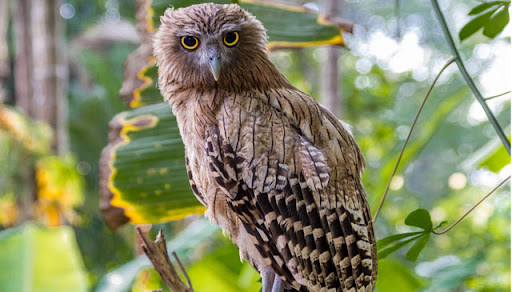
🌙 Night Safari: Take a night safari to experience the park’s nocturnal wildlife, such as leopards, owls, and other animals active after dark.
🚶♂️ Nature Walks: Explore the park on foot with a guide to learn about its flora and fauna, while enjoying the peaceful surroundings.
🕌 Visit the Ancient Temples: Explore nearby cultural sites, such as the Maha Seya and Kiri Vihara, to immerse yourself in the historical aspects of the region.
When to Visit?
The best time to visit Wilpattu National Park is during the dry season, which typically runs from February to October. During these months, the park’s dense forests are less humid, and animals tend to gather around the villus (natural lakes), making wildlife sightings more frequent and easier. The cooler months of January and November can also be good for visits, but there may be occasional rain showers. The monsoon season from November to January brings heavy rainfall, making some areas of the park inaccessible and reducing wildlife visibility. For the best safari experience, plan your visit between February and October, when the weather is dry, and wildlife activity is at its peak.


Comments are closed